
11 August 2026Based on: Russia's Greatest Jeweller (And Why You Don't Know About It)
Bolin: The Russian Court Jeweller Hidden Behind Faberge
Discover the story of Bolin, the Russian court jeweller whose tiaras, parures and family survival reveal a less familiar side of Imperial jewellery history.
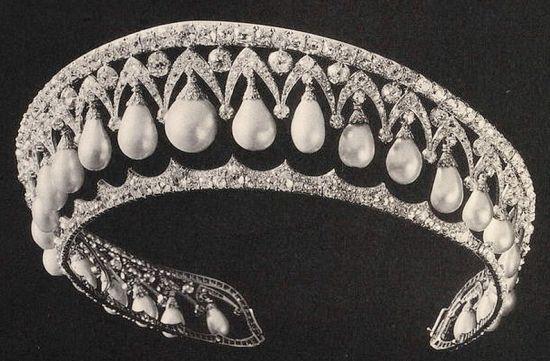
It can happen with antique jewellery before the signature is even clear. A brooch sits in the hand and something about it feels different. The stones look settled but not heavy. The setting holds everything in place without calling attention to itself. The quality is obvious before the maker is named.
That is the kind of impression Bolin leaves.
For many people, Imperial Russian jewellery begins and ends with Faberge. The eggs, the enamel objects and the tragedy of the Romanovs have made that name almost impossible to separate from the final years of the Russian court. But there was another house working at the very highest level of Imperial taste. A house known less for fantasy objects and more for jewels themselves.
Bolin was one of the great jewellers of Imperial Russia. Its story runs through migration, marriage, court patronage, astonishing craftsmanship, revolution and survival. It also explains why some jewellery houses become famous in public memory, while others remain better known inside the trade.
Here are five things to know about Bolin.
1. The story begins before the Bolin name
The house did not begin as Bolin. It began with Andreas Roempler, a German-born jeweller who established his firm in St Petersburg in 1791 and became jeweller to the Russian tsar.
Roempler was known as the "Master of Diamonds", a title that gives a strong sense of the level at which the firm operated from the start. This was not a small provincial workshop slowly finding its way. It was a business already close to the court, close to important stones and close to the kind of clients who could shape a jeweller's reputation for generations.
The Bolin name entered through family. After Roempler's death in 1829, his son-in-law Gottlieb Ernst Jahn took over. Carl Edvard Bolin, a Swedish-born bookkeeper who had moved from Stockholm to St Petersburg, began working with Jahn in 1833 and married Roempler's daughter Ernestine the following year. When Jahn died, Carl Edvard took over the business and brought in his brother Henrik Conrad.
That family path matters. Bolin's history is not just a story of design. It is also a story of succession, marriage, opportunity and survival. The name that lasted was not the name at the beginning, but the standard of work carried through.
2. Court jewellery was about access as much as beauty
In 1839, Carl Edvard Bolin was honoured with the title of Jeweller to the Imperial Court. That title mattered.
Court patronage was not only a mark of approval. It put a jeweller near the centre of power, taste and money. It meant working for people who commissioned grand parures, tiaras, presentation jewels and formal pieces that had to carry status as well as beauty.
It also placed Bolin in one of the richest jewellery environments of the 19th century. The Russian court had the appetite, occasion and resources for spectacular jewels. For a house with the technical ability to deliver, that created a level of opportunity few markets could match.
Bolin's work became known for large, magnificent jewels made for the court and wealthy Russian aristocratic families. These were not quiet pieces. They were jewels built for rooms full of ceremony, candlelight, silk, uniforms and rank.
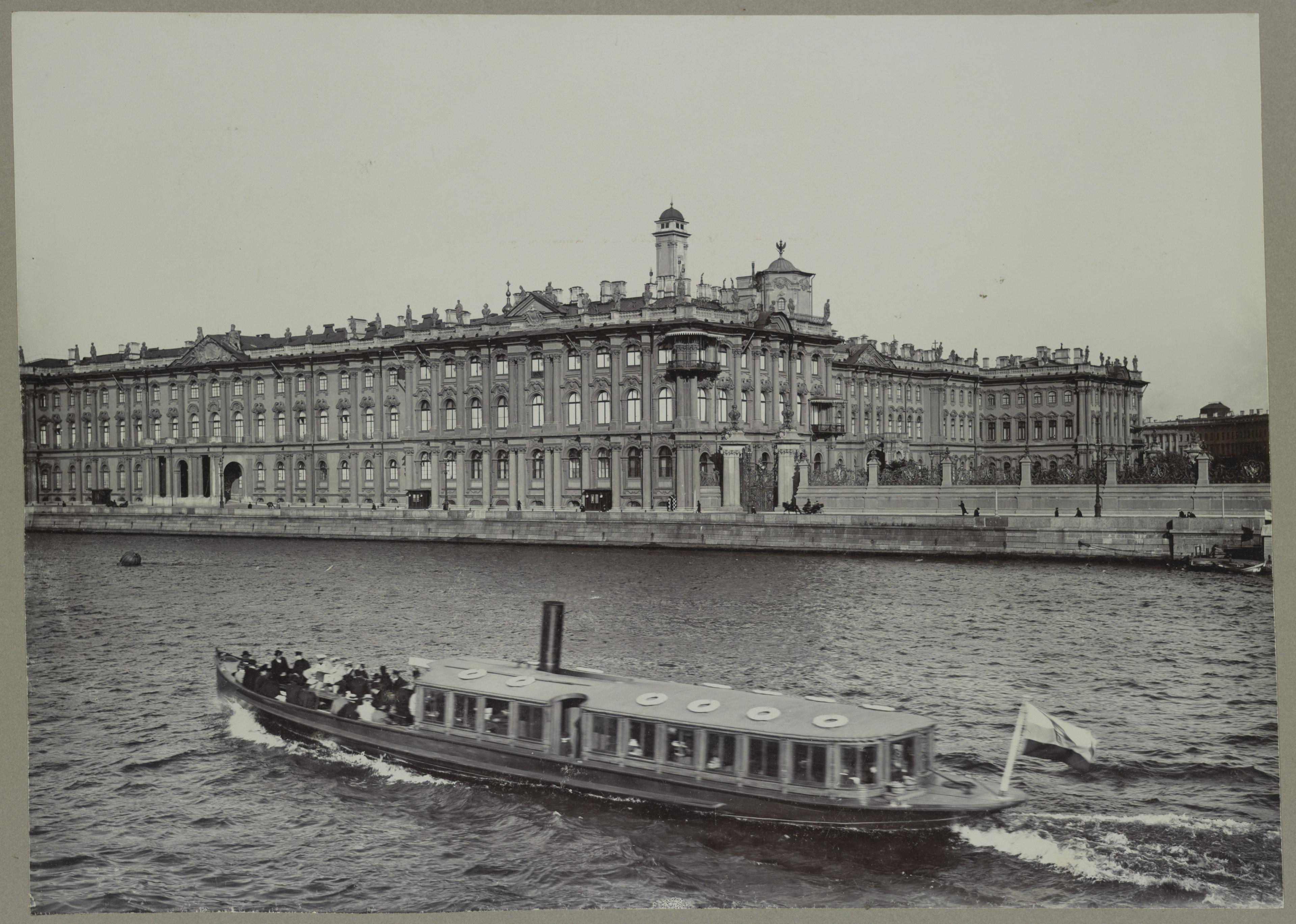
That context helps explain the comparison with Faberge. Faberge made extraordinary objects as well as jewellery, but Bolin's reputation sat especially strongly in jewellery itself. The distinction is important. Faberge captured the imagination with eggs and objects. Bolin built its name through stones, settings, tiaras and parures.
3. The kokoshnik gave court jewellery a Russian shape
One of the most striking forms associated with Russian royal jewellery is the kokoshnik-style tiara.
The kokoshnik did not create the tiara. Diadems and head ornaments are far older than 19th-century Russia. What the kokoshnik did was give one branch of tiara design a distinctly Russian silhouette.
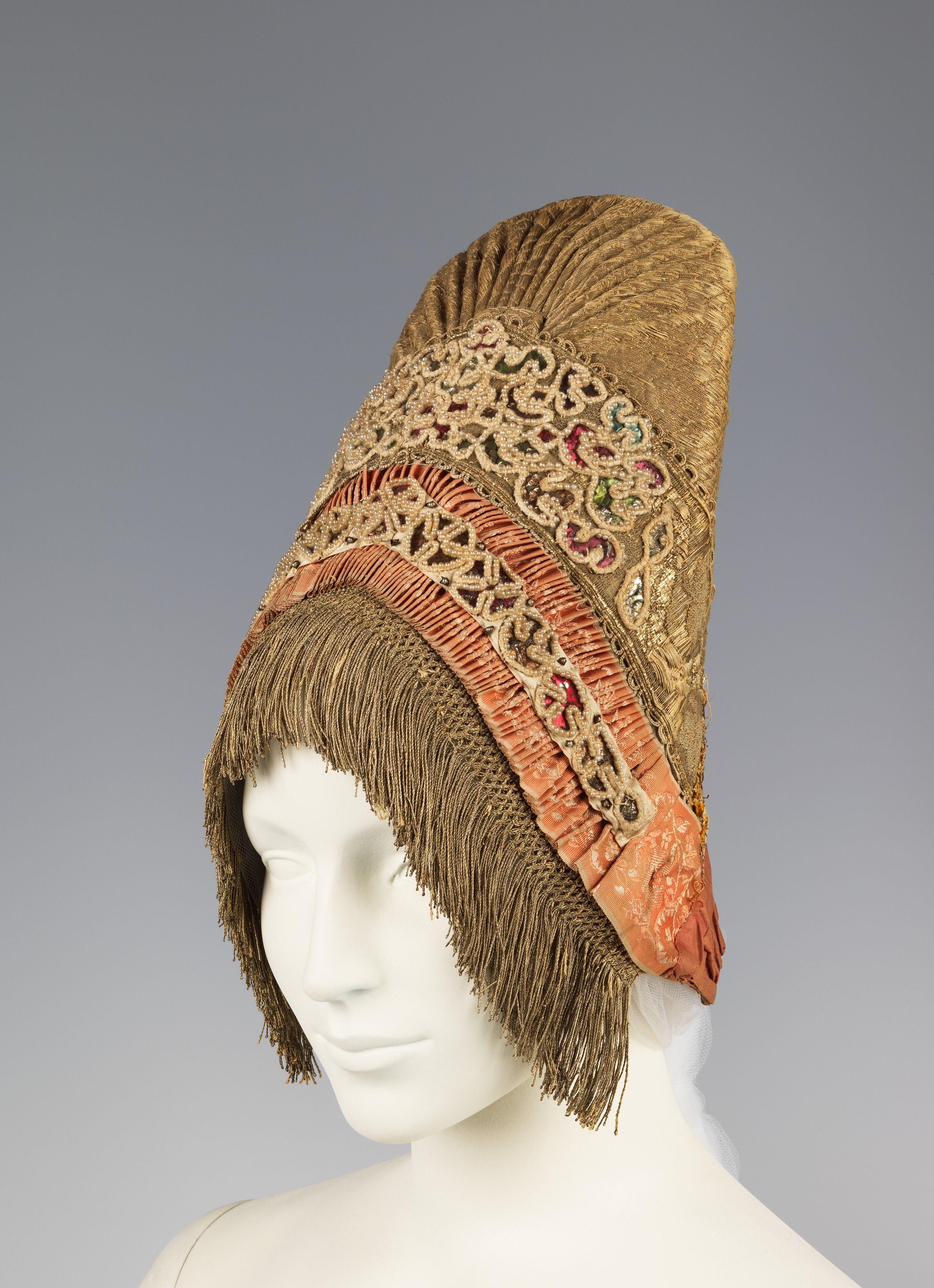
The original kokoshnik was part of Russian women's dress, with regional differences in shape, material and decoration. The Met notes how ornate these headdresses could be, often made from rich textiles and, among the wealthy peasant class, decorated with pearls and gemstones. The shape could frame the face like a halo, which made it a natural source of inspiration once court dress and jewellery began drawing on Russian national forms.
By the 19th century, that silhouette had moved into court fashion. A headdress associated with Russian dress became a jewelled form for imperial rooms. For Bolin, working at the heart of that world, the kokoshnik was more than a design reference. It was a way to turn national identity into high jewellery.
That is why kokoshnik tiaras still feel so immediately recognisable. They are not simply diamond headpieces. They carry the outline of something older, translated into the language of court jewellery.
4. Bolin's signature was making stones look effortless
The strongest jewellery often hides its effort.
Bolin pieces were admired for the quality of their gemstones and the fineness of their settings. In the transcript, the effect is described through stones that seem almost to float. That is the kind of detail collectors and dealers notice quickly, because it separates a heavy setting from a truly refined one.
This is especially impressive when you remember the period. Later platinum jewellery allowed makers to create very fine, light structures around stones. Bolin was building a reputation before that became the dominant technical language. The lightness was not simply a matter of material. It was skill.
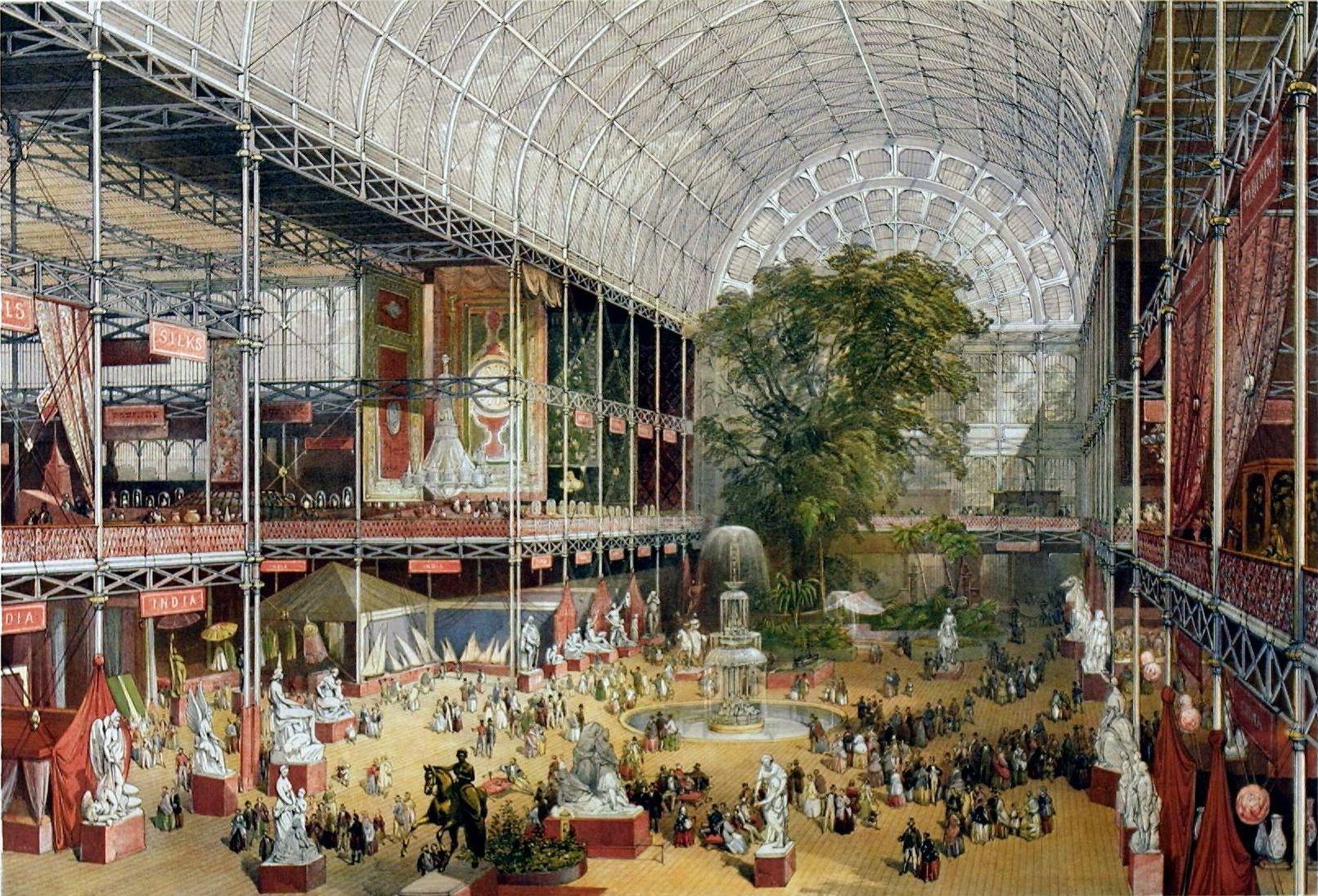
The house drew international attention at the Great Exhibition in London in 1851. W.A. Bolin's own history records that Bolin's jewels caused a sensation there, with particular admiration for their design, quality and refined setting work.
That kind of reputation is built in small decisions. How much metal should be visible. How a diamond sits beside a pearl. How a tiara rises without feeling rigid. How a jewel looks imposing from across a room, then still rewards close inspection.
Bolin's best work seems to have lived in that balance: imperial scale, but careful handling.
5. Survival is the real legacy
The Russian Revolution changed everything.
By the early 20th century, Bolin stood alongside Faberge as one of the most important Russian jewellers. Then the Revolution closed the Russian chapter. Sotheby's notes that much of the company's stock and account books were seized by the Bolsheviks, and that customers were tracked down and had their items confiscated.
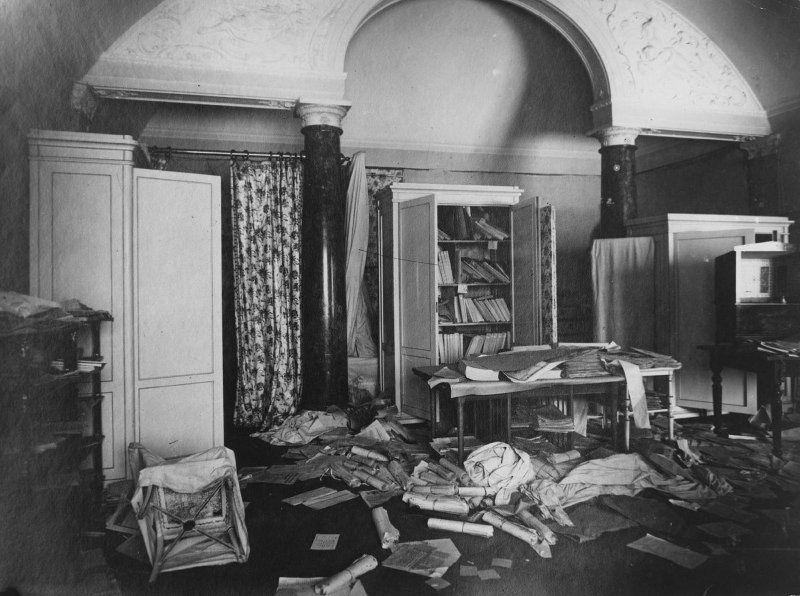
That helps explain why Bolin can feel less visible today. A jewellery house can lose its archive. It can lose its stock. But if client records are used to trace pieces already sold, the loss becomes wider. Jewels disappear from the market. Some are broken up. Some survive only in photographs, invoices or family memory.
Bolin survived because the family had a way out. Henrik Conrad's Moscow branch passed to Wilhelm Bolin, who later established the firm in Sweden. W.A. Bolin's history records the opening of the Stockholm salons in 1916 and the immediate appointment as court jeweller to King Gustav V.
That move preserved more than a business. It preserved continuity. Many historic jewellery names now survive as brands detached from their founding families. Bolin is different. W.A. Bolin describes itself as the world's oldest jeweller family still active in the profession, with generations of family ownership behind it.
That continuity is part of the fascination. Bolin was not simply a Russian court jeweller that disappeared into revolution. It was a house that crossed borders, adapted to a new market and kept working.
Why Bolin still matters
Faberge will always have its place in the public imagination. The eggs are strange, brilliant and theatrical. They are bound up with the end of the Romanovs and the drama of a vanished world.
Bolin asks for a slightly different kind of attention.
It is the name to know when the conversation turns from objects to jewellery. From spectacle to setting. From famous stories to the quieter matter of how well a stone is held, how a tiara is balanced and how a house survives when the world it served has disappeared.
Bolin's story is not just about Imperial Russia. It is about the value of craftsmanship, the fragility of archives, the power of family continuity and the strange way history decides which names everyone remembers.
For anyone interested in antique jewellery, that makes Bolin more than a footnote beside Faberge. It makes Bolin essential.
Listen to the episode
This article is based on Russia's Greatest Jeweller (And Why You Don't Know About It).
Listen now →