
24 June 2026Based on: Careers in Antique Jewellery: How the Trade Works
Careers in the Antique Jewellery Trade: The Hidden Network Behind Every Piece
Get behind the scenes of the antique jewellery trade to understand the wide variety of roles that all have a critical part to play in the journey of a piece.
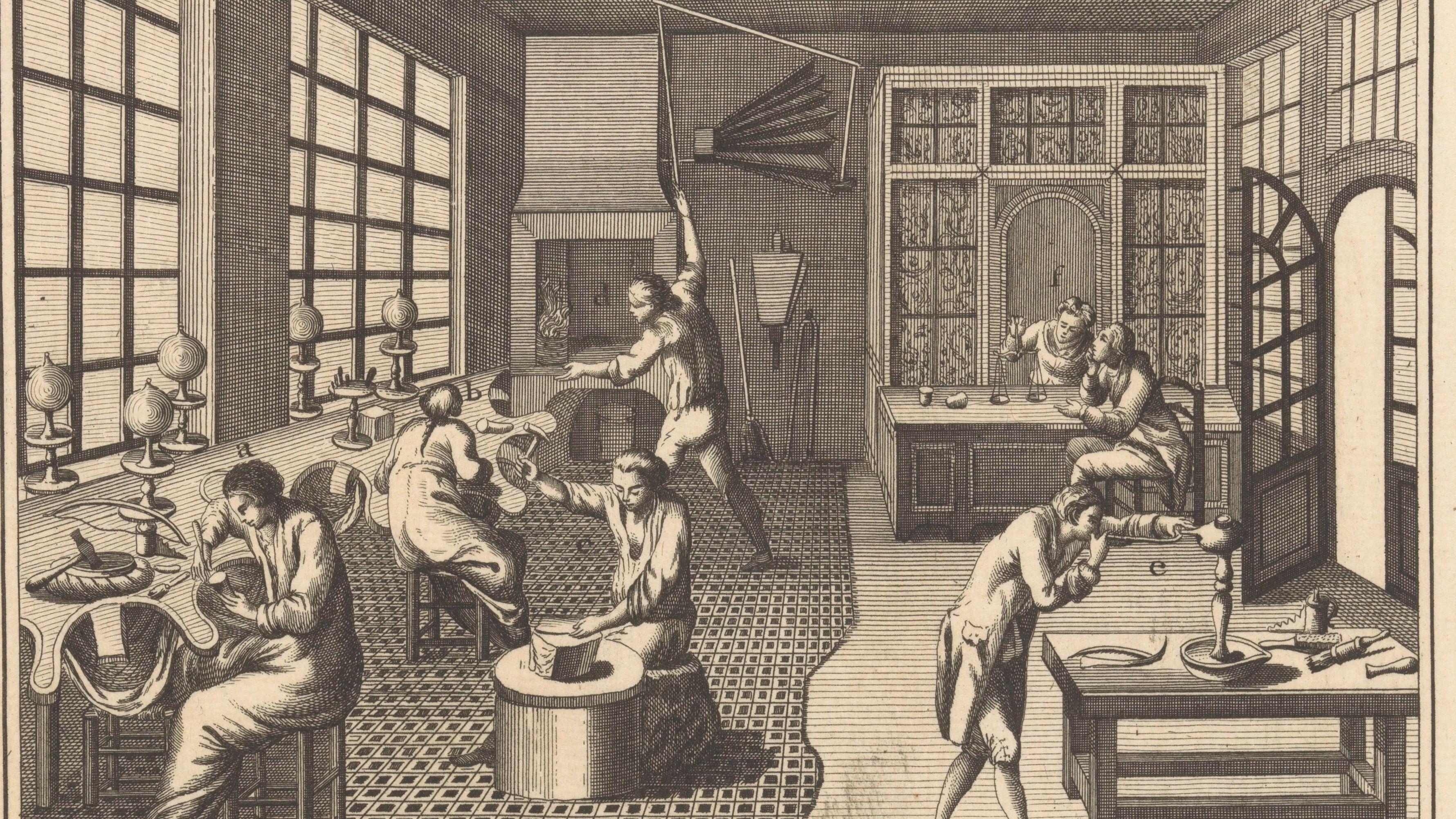
When you admire a piece of antique jewellery it is easy to focus on the final object. The sparkle of a sapphire, the craftsmanship of a Victorian ring or the patina of age all stand out immediately. What is less visible is the long chain of people who have handled that piece along the way.
From its original creation to rediscovery, restoration, valuation and eventual sale, antique jewellery passes through a complex ecosystem. Historians, gemologists, appraisers, goldsmiths, lapidaries and dealers all play distinct roles in shaping what eventually appears in a boutique window, auction catalogue, museum display or private collection.
So what do these roles actually involve? And how exactly does the industry function day to day?
In a recent episode of Gem Pursuit, we answer these very questions, exploring the main careers within the antique jewellery trade drawing on his own experience working across research, gemology and dealing.
Jewellery Historians and Researchers
When a piece arrives at a business like Courtville the first step is understanding what it is. This is where jewellery researchers and cataloguers come in. They examine hallmarks, construction, design period and any available provenance to build a picture of the object.
In many businesses researcher and cataloguer roles overlap. In larger or more specialist firms however they can become distinct positions. A cataloguer focuses on producing accurate written descriptions while a researcher or jewellery historian may go much deeper tracing ownership history uncovering provenance and situating a piece within a wider historical context.
In highly specialised firms such as Wartski in London jewellery history expertise is central. These environments often expect strong knowledge across gemology, goldsmithing and historical research.
Typically entry into this world begins as a junior cataloguer in an auction house museum or dealership. Over time this can develop into a more research focused or historian role.
Gemologists: Understanding the Stones
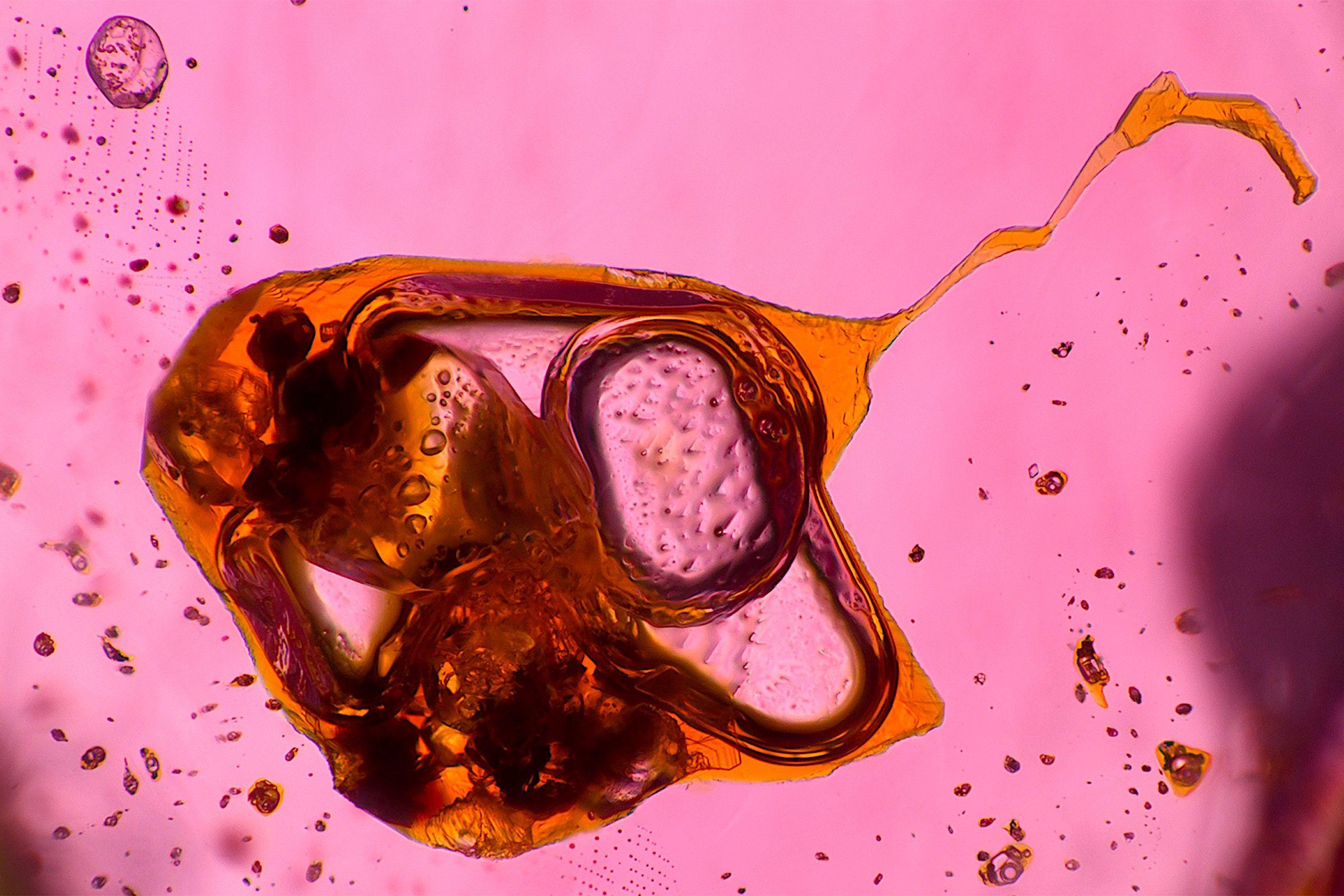
Once the piece has been identified, our attention turns to the stones. Gemologists focus on the scientific identification and grading of gemstones rather than their monetary value. Their work involves laboratory style analysis using tools like microscopes, refractometers and specific gravity kits.
They determine whether a stone is a diamond, sapphire, ruby or emerald (or something else!) and then assess its characteristics including colour clarity treatment and sometimes origin. For example, an emerald may be identified as being Colombian or Zambian as well as natural or synthetic. All of these factors affect its classification.
Training routes include institutions such as the GIA in the US or Gem-A in London alongside various other European programmes. While gemologists provide essential technical insight they do not usually assign financial value. That responsibility sits elsewhere.
Appraisers and Valuers: Putting a Price on History
Appraisers bridge the gap between scientific assessment and commercial reality.
Using information from gemologists, historians and the wider market, appraisers assign monetary value to a piece. Insurance valuations are often the highest because they reflect the cost of recreating a piece from scratch. This may involve sourcing individual antique stones, commissioning custom work and recreating settings precisely as they were.
Unlike gemologists or historians appraisers operate directly in the financial space. Their work requires a blend of technical understanding and market awareness, including auction results and private sale trends.
Many appraisers work independently while others operate within jewellery businesses. The role can be flexible and varied but it carries responsibility because valuations are formal legal documents
It also requires independence. If an appraiser is too closely tied to a single business or client questions of bias can arise.
Goldsmiths and Restorers: Bringing Pieces Back to Life
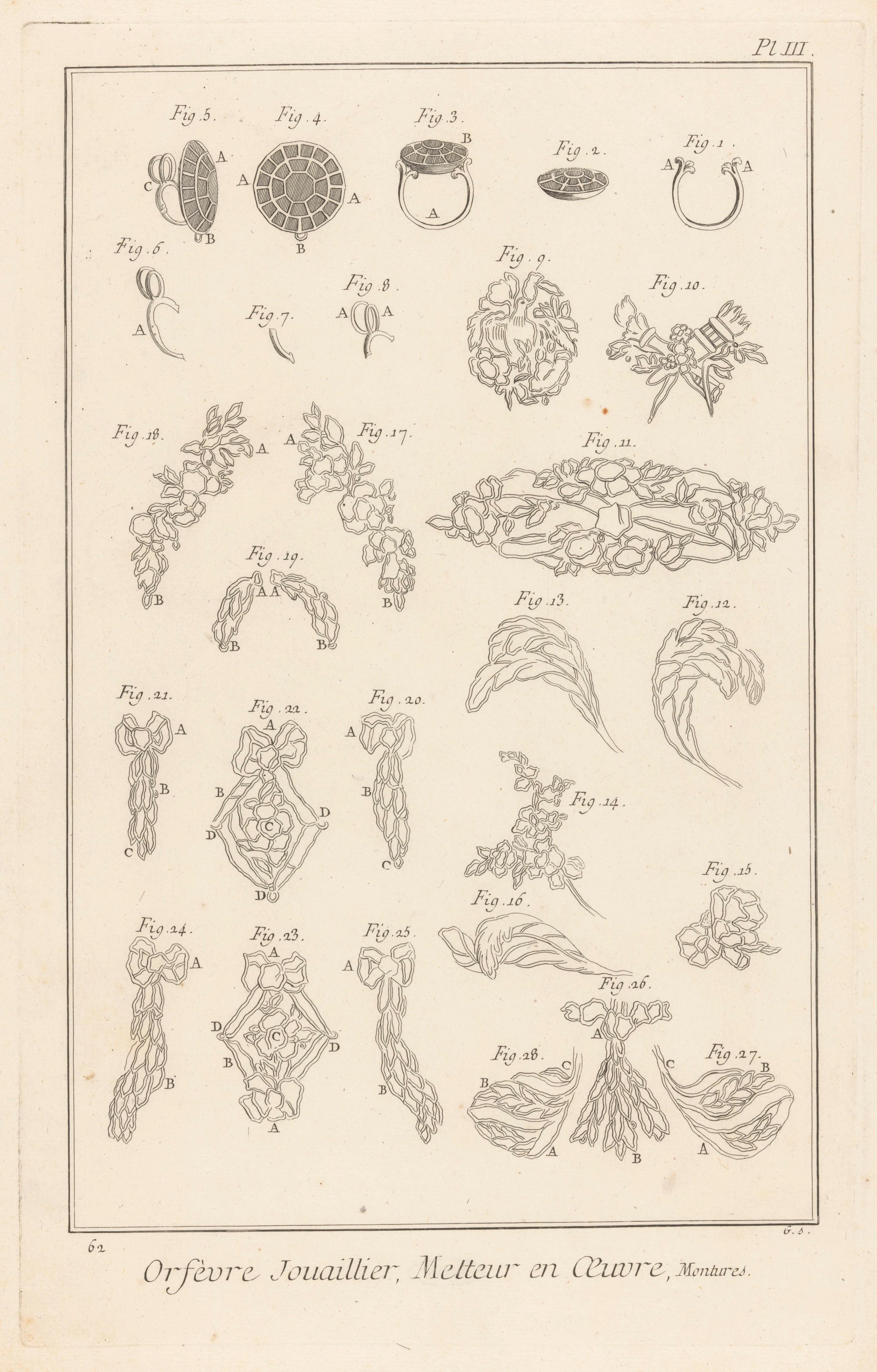
Goldsmiths and restorers work hands on with precious metals and gemstones. Their work ranges from repairing antique jewellery to resizing rings, resetting stones or completely reconstructing pieces.
This is a highly skilled and high risk environment. Even a small error can result in loss of material or damage to a valuable stone. For this reason most pieces are covered by work on insurance while in the workshop.
Within the workshop roles are often specialised. Goldsmiths create or rebuild pieces. Setters place stones into mountings. Finishers polish and refine the final surface. Runners manage logistics and movement of items between workshop and shop.
It is a practical precision based environment very different from the front facing boutique or research office.
Lapidaries and Diamond Cutters: A Dying Craft
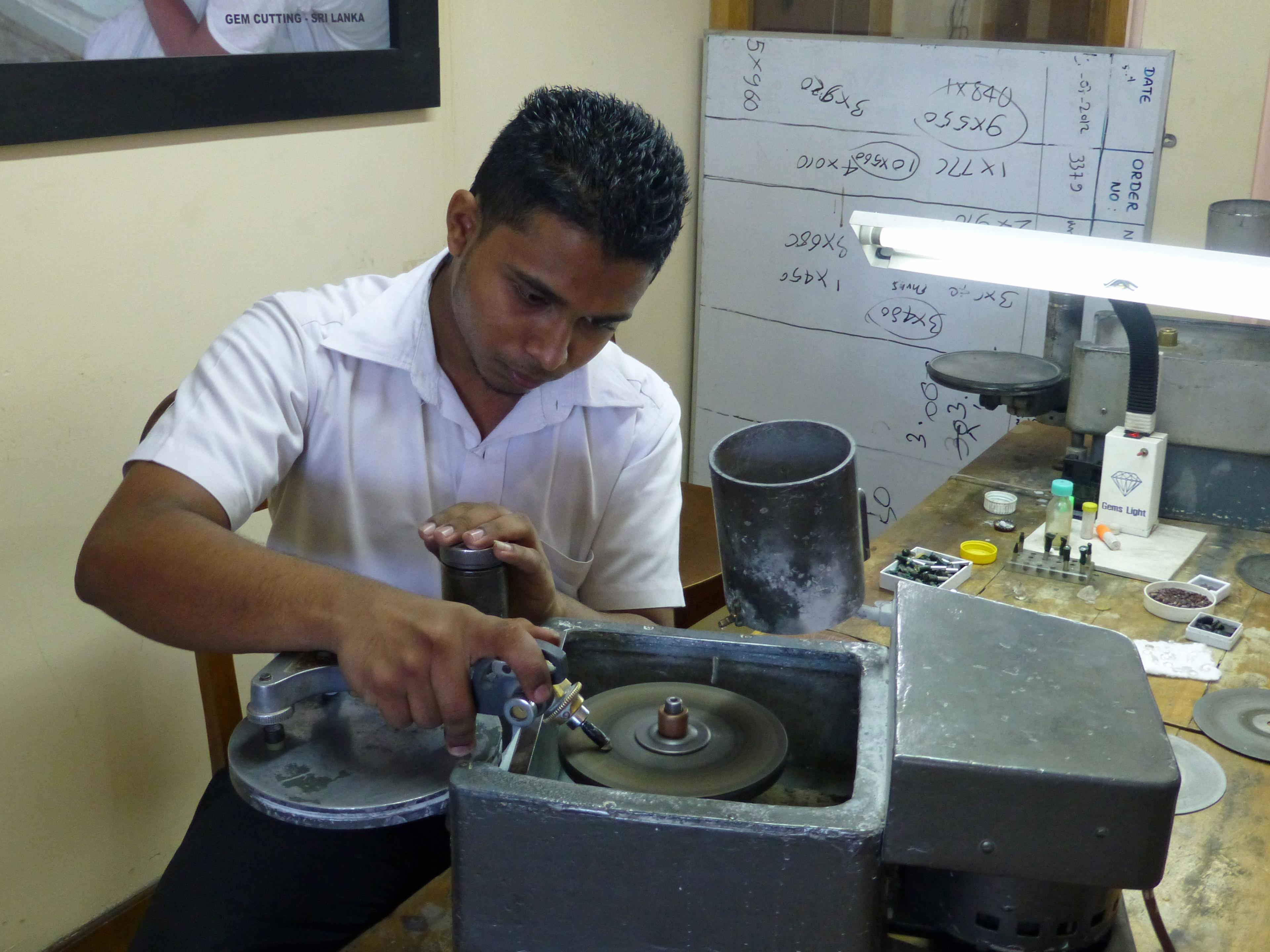
One of the most specialised and increasingly rare roles in the trade is the lapidary the gemstone polisher.
Lapidaries work with a wide range of stones excluding diamonds shaping and repolishing them to enhance brilliance or restore worn facets. Diamond cutters by contrast focus exclusively on diamonds due to the extreme hardness of the material and the specialised equipment required.
This is a highly technical craft requiring patience, precision and an exceptional aesthetic eye. Every decision involves balancing beauty against risk.
A single mistake can reduce a stone’s size or value significantly. For example a sapphire dropping below a key carat weight can dramatically affect its market price.
Because of this, lapidaries often approach work conservatively, carefully assessing the structure, inclusions and potential weak points of a stone before beginning any polishing.
The trade itself is becoming increasingly rare. Many experienced lapidaries are ageing with few new practitioners entering the field. Training routes are limited, often relying on apprenticeship rather than formal education.
Despite this their work is essential. High value antique stones often depend on careful repolishing to restore life and maintain value.
Dealers and the Final Market
Once restored and assessed pieces enter the final stage of their journey. Antique jewellery dealers operate across multiple channels including private sales auctions and trade to trade exchanges. Each comes with different rules and responsibilities.
Auctions are sold as seen with no guarantees. Private sales by contrast are subject to consumer law and often include warranties or returns.
Dealers also make decisions about consignment taking pieces on memo or sale or return agreements. A key principle in the trade is simple. If you would not buy a piece yourself you should not expect someone else to.
A Connected Ecosystem
What becomes clear is that antique jewellery is never the work of a single person. Every piece is shaped by a network of specialists each contributing a different layer of expertise whether historical, scientific, financial or practical.
From the first moment a piece is rediscovered to the point it reaches a buyer, it has passed through a chain of skilled hands, each adding value in a different way.
Developing an understanding of these different roles brings the antique jewellery trade into much sharper view and reveals the depth of the industry behind it.
Listen to the episode
This article is based on Careers in Antique Jewellery: How the Trade Works.
Listen now →