
20 July 2026Based on: How Boucheron Became One of France's Greatest Jewellery Maisons
Five Takeaways From Our Boucheron Episode
Five things to know about Boucheron, from Frederic Boucheron's 1858 gamble in Paris to the Question Mark necklace, Place Vendome, famous commissions and the house's instinct for wearable innovation.
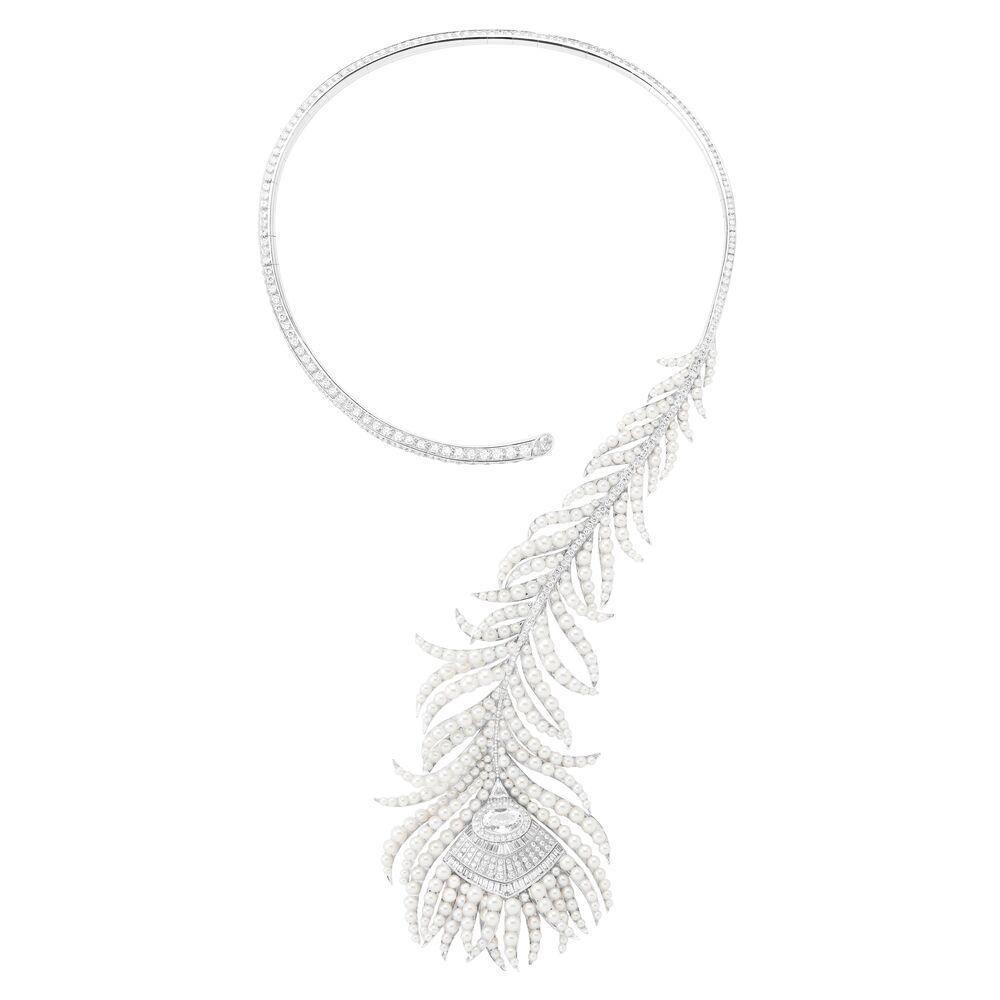
Boucheron is one of those jewellery names that can look inevitable from a distance. Place Vendome, famous clients, royal commissions, exhibition medals, technical daring: the pieces all seem to point towards a house that was always going to matter.
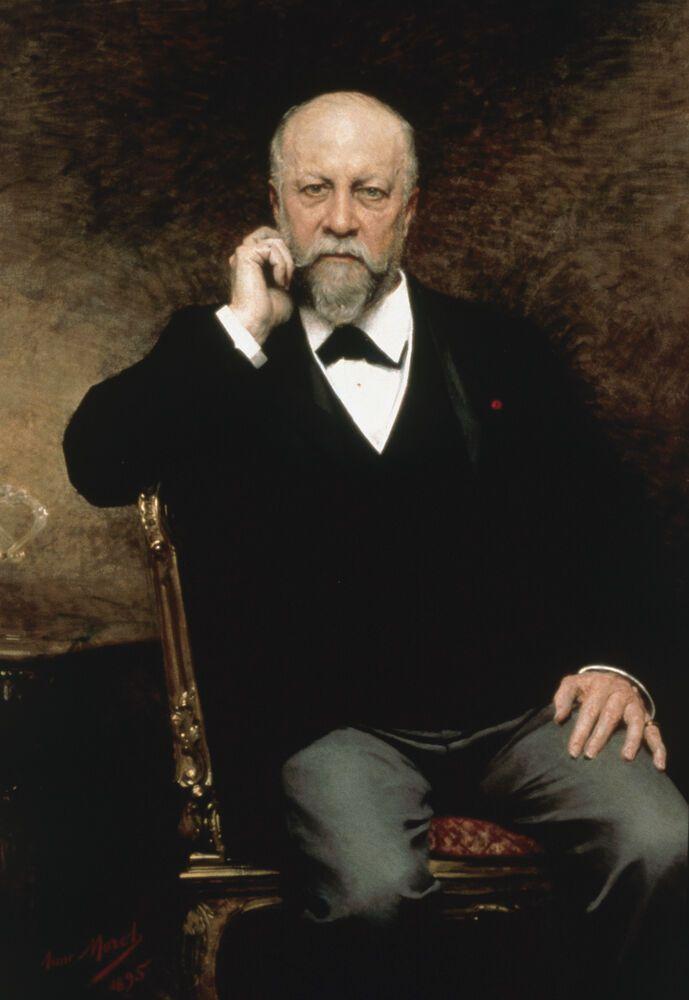
The real story is sharper than that. Frederic Boucheron was born a draper's son in Paris in 1830, moved into jewellery as a teenager, then built his name through a mixture of training, taste, risk and commercial nerve.
Here are five takeaways from the Boucheron story.
1. The influence of his father's profession – Drapery
Frederic Boucheron came from a world of fabric. His father was a draper, which meant the young Boucheron grew up around material, movement, comfort and the way things sit on the body.
That background helps explain one of the most important qualities later associated with the house: wearability. Boucheron jewellery could be technically complex and visually bold, while still moving well on the body. It had to sit naturally. It had to feel considered in the hand, on the neck or against the wrist.
At 14, Boucheron broke with the family trade and entered jewellery. He trained under a respected jeweller and draftsman, learning design properly before moving into a sales role at Deschamps in the Palais Royal. That combination mattered. He learned both the making side and the client side of the trade.
That same interest in movement gives Boucheron's jewellery a textile quality, even when the materials are anything but soft.
2. The maison was born out of a setback
The turning point came in 1858. Deschamps sold the business to someone else, leaving Boucheron without the handover he may have expected after years in the firm.
He responded by raising 100,000 francs from family and friends and opening his own boutique in the Galerie de Valois in the Palais Royal. The move was bold, and the early business model was clever: he took pieces from makers on sale or return, also known as approbation or memo.
That meant makers still owned the pieces, while Boucheron could sell them through his shop. He did not have to spend all his money on stock at the start. If he sold well, makers trusted him with more. Trust became stock, stock became sales, and sales became reputation.
In 1866, Boucheron registered his own maker's mark. That was another major step. He was no longer only selling other people's work. He was making his own pieces, controlling the design and giving the house a clearer identity.
3. Exhibitions made Boucheron international
Before modern media, international exhibitions gave jewellery houses a way to be seen by royalty, wealthy clients and buyers from far beyond France. Boucheron understood the value of that stage early.
In 1867, the year after registering his maker's mark, Boucheron took part in the Paris International Exposition and won a gold medal. A contemporary response praised his "meticulous craftsmanship and a beginning full of promise."
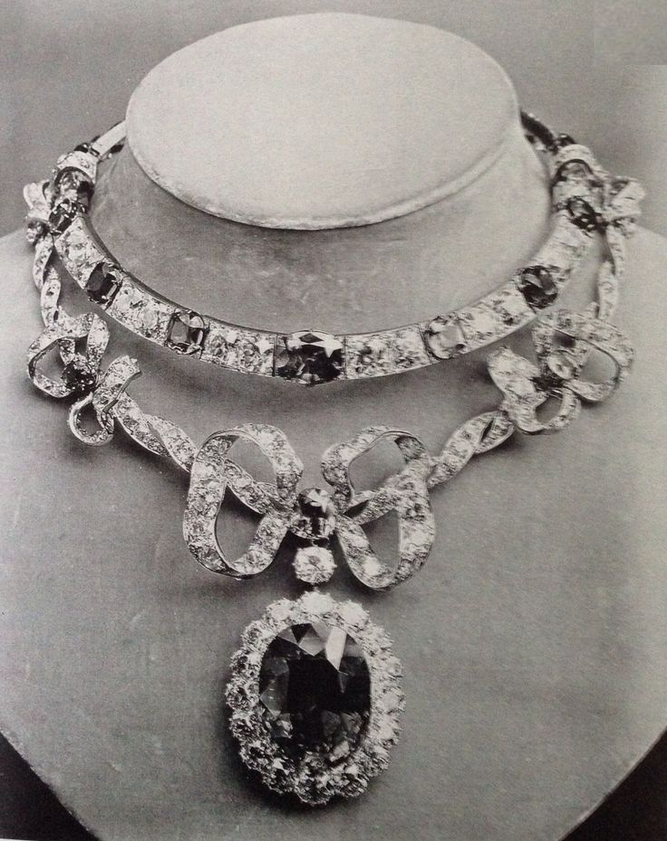
That promise kept building. At the 1878 Paris Exposition, Boucheron created a sapphire and diamond necklace for Marie Louise Mackay, with a centre sapphire of 159 carats. The design included diamond ribbons, foliage motifs, cushion-cut sapphires and detailed work on the back of the necklace.
The 1889 Exposition Universelle brought more attention, including recognition for the Question Mark necklace. In 1900, Boucheron won a gold medal for an Art Nouveau display. By then, the house had grown from a Paris name into an international one.
4. Place Vendome was a statement of intent
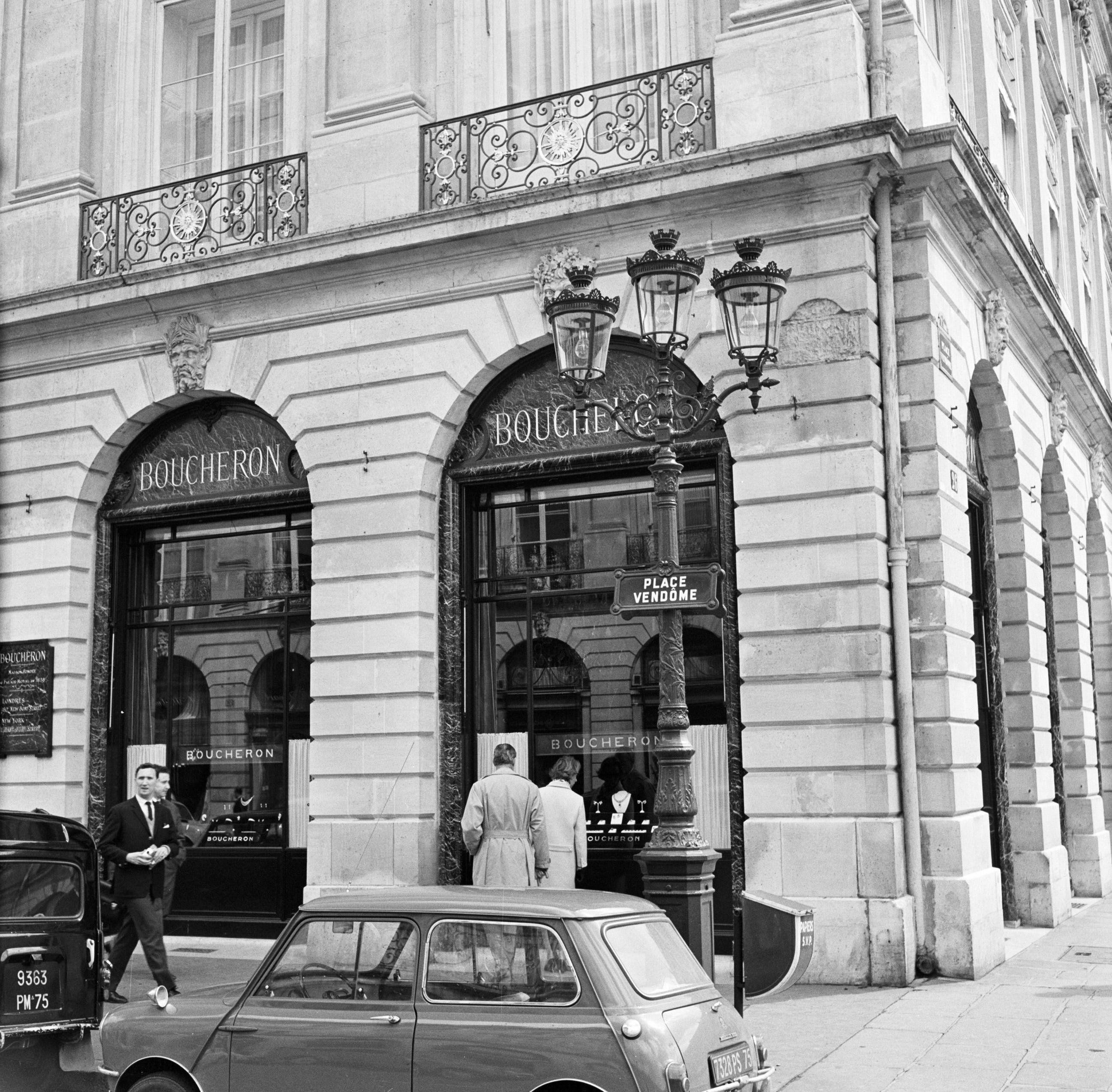
In 1893, Boucheron moved from the Palais Royal to Place Vendome, becoming the first jeweller to open on the square.
The address mattered. So did the exact position. Boucheron chose number 26 because it had the best sunlight. That detail says a lot about the way he thought. For a jeweller, light changes colour, fire, reflection and the pull of a window display.
Place Vendome also put Boucheron's windows in front of the right audience. High society crossed the square on the way towards the Tuileries gardens, giving the shop prestige and everyday visibility.
The same instinct appears in the jewels themselves. Boucheron knew where a piece should sit, how it should catch light and how it should invite someone closer.
5. Boucheron's signature is wearable innovation
The Question Mark necklace is the clearest example of Boucheron's house style.
First drawn in 1879, it is an asymmetrical, claspless necklace that wraps around the neck and drops low on the chest. Its ease depends on an intricate mechanism of small interlocking components developed in the Boucheron workshop. It looks free, almost casual, but that freedom is engineered.
That is the point. Boucheron at its best makes difficult things look natural.
The same idea appears in the house's technical work. Plique-a-jour enamel, a translucent enamel with no backing, creates an effect like stained glass. Diamond engraving requires another kind of control: diamond is the hardest natural substance, yet it can still shatter. A crisp engraved line on its surface takes real precision.
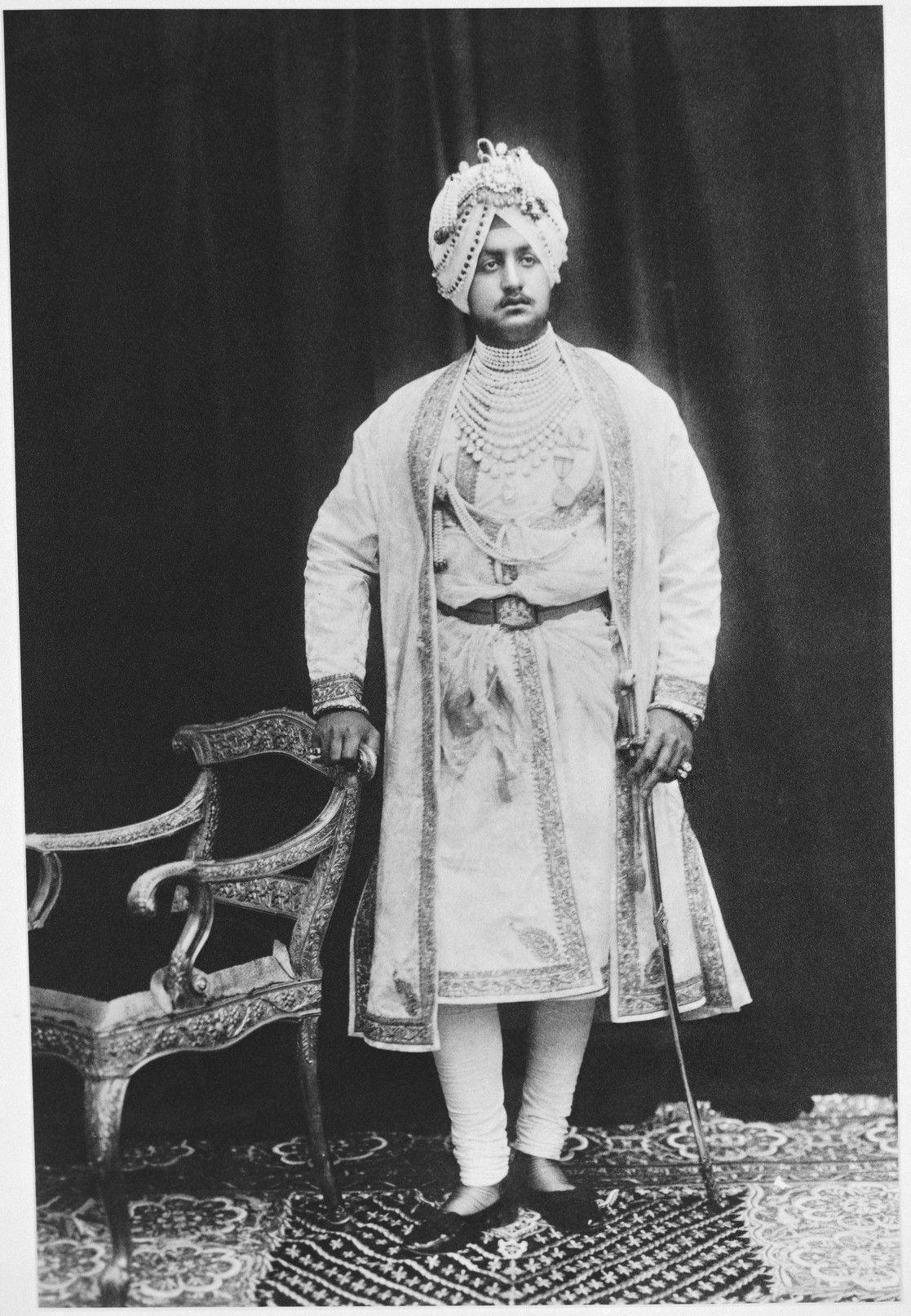
The wider history of the house carries the same appetite for scale and difficulty. Boucheron acquired diamonds from the French Crown Jewels, including the Grand Mazarin, and bought it for his wife Gabrielle. In 1928, the Maharaja of Patiala arrived with trunks of gems, and Louis Boucheron produced 149 designs, including collars, strand necklaces, belts, tiaras, turbans and aigrettes.
That willingness to push materials and technique did not end with the early house. Modern Boucheron has worked with real flower petals stabilised without pigments or chemicals, titanium structures, rock crystal, ceramic, silver and titanium oxides, and aerogel, a material described as 99.8 percent air and used by NASA to capture stardust.
The materials have changed. The instinct remains consistent: make something technically difficult, visually striking and still wearable.
What the five takeaways add up to
Boucheron's story runs deeper than famous clients, large stones or a prestigious Paris address. At its centre is a jeweller who turned a setback into a house style.
The draper's son understood movement. The young salesman understood trust. The exhibitor understood spectacle. The Place Vendome shopkeeper understood light. The maker understood that eccentricity works best when it can be worn with ease.
That is why Boucheron still feels distinct. The house made bold jewellery behave beautifully.
Listen to the episode
This article is based on How Boucheron Became One of France's Greatest Jewellery Maisons.
Listen now →