
28 August 2026Based on: How Garrard Became Britain's Crown Jeweller
Garrard: The Crown Jeweller Behind Britain's Royal Image
Discover the story of Garrard, from its 1735 London origins to the Crown Jewels, the Koh-i-Noor, royal tiaras and Princess Diana's sapphire engagement ring.
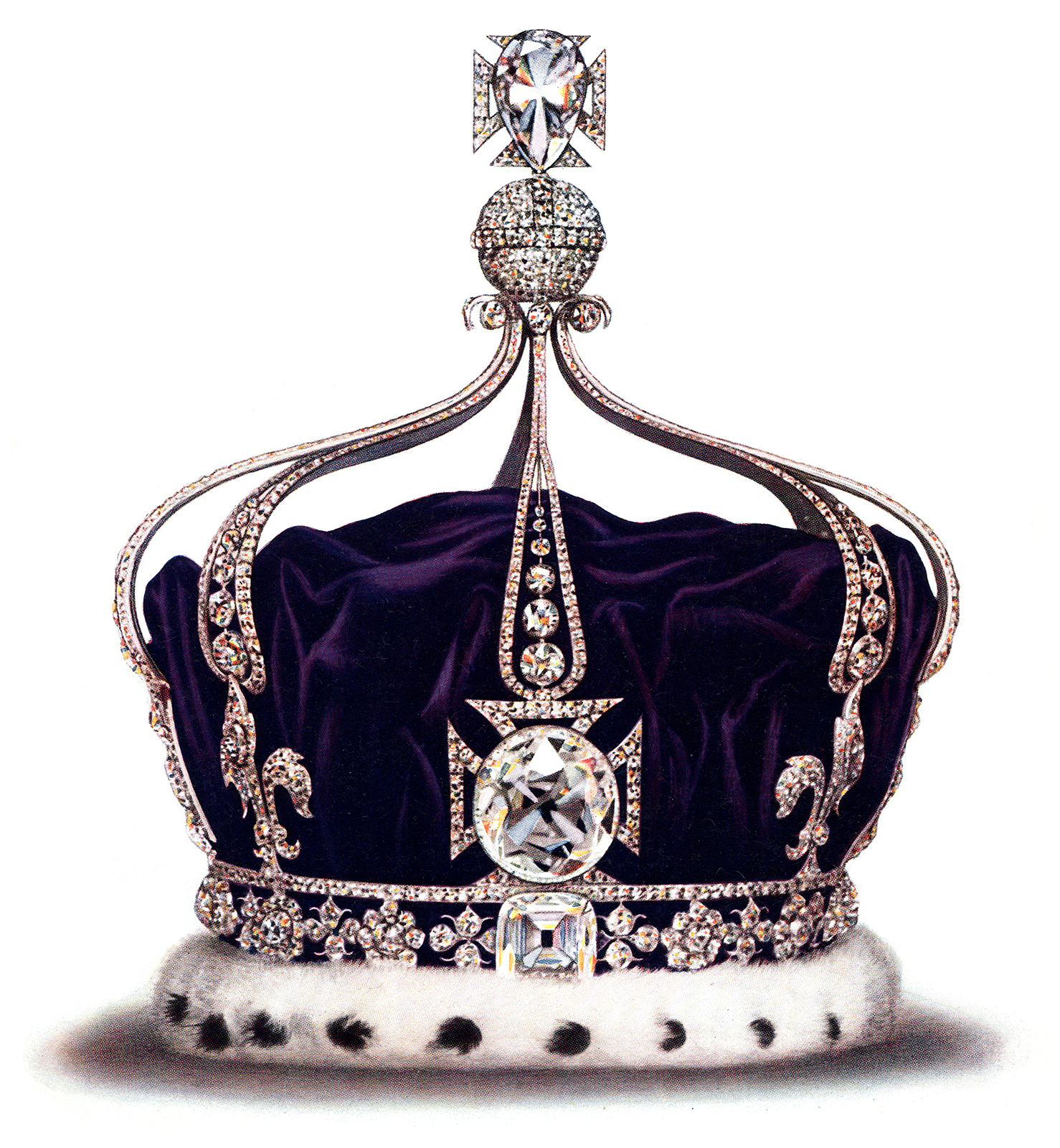
Some jewels seem to belong less to a person than to a country. A crown carried into Westminster Abbey. A tiara recognised from a banknote portrait. A sapphire ring that still changes what people ask for in jewellery shops decades after it first appeared on a royal hand.
They look public, ceremonial and almost inevitable. But every one of those objects also came through human hands. Someone had to make it, alter it, clean it, secure it, reset it and understand what it meant before it appeared in front of the world.
For British royal jewellery, one name keeps returning to that story: Garrard.
Founded in London in 1735, Garrard became Britain's first official Crown Jeweller in 1843 and helped shape the look of royal ceremony for more than a century and a half. Its history runs from Georgian silver to coronation regalia, from the Koh-i-Noor to Princess Diana's sapphire engagement ring.
Here are five things to know about Garrard.
1. The house begins before the Garrard name
Garrard's story does not begin with a Garrard. It begins with George Wickes, a master silversmith working in London in the 18th century.
That early point matters because it places the house in a world before modern luxury branding. Reputation came through workshop skill, patronage, reliability and proximity to the right clients. A silversmith did not need only good hands. He needed trust.
The business grew out of that world. The Science Museum Group records the firm as founded by Wickes in 1735, with royal connection following soon after. By 1802, Robert Garrard senior had taken over the business, giving the house the name it still carries.
That path feels familiar across historic jewellery houses. A founder starts the standard. A later figure joins, learns the business from the inside and eventually becomes the name remembered by history. The house that survives is rarely only one person's achievement. It is a chain of skill, succession and careful reinvention.
2. Royal work was about duty as much as glamour
It is easy to hear "royal jeweller" and imagine only commissions, velvet cases and important clients. Garrard's royal story is more practical than that.
A royal warrant and the Crown Jeweller appointment are not the same thing. A royal warrant recognises an ongoing trading relationship with the Royal Household and allows the holder to use the relevant royal arms in connection with the business. The Crown Jeweller is different. It is a specific role, bestowed on an individual by the Sovereign.
When Queen Victoria appointed Garrard the first official Crown Jeweller in 1843, the role placed the house at the centre of royal ceremony. Garrard was not simply making jewels for private wear. It was helping care for the regalia itself.
That meant checking, polishing, repairing and adapting objects that were already historic. In the months before a coronation, every piece had to be ready for a public moment where failure was unthinkable. Crowns and sceptres were not just valuable. They were symbols of state.
That is what gives Garrard's royal history its weight. The work had splendour, but it also had pressure. Beauty was only one part of the job. Reliability was the other.
3. The Koh-i-Noor shows how taste can change a stone
The Koh-i-Noor is one of the most charged diamonds in the world, with a history that reaches far beyond British jewellery.
By the mid-19th century it had become part of Queen Victoria's collection. It was displayed at the Great Exhibition of 1851, but its earlier cut did not give the kind of brilliance European viewers expected from a great diamond at that time.
Prince Albert then commissioned Garrard to recut the stone. GIA's historical reading list records that the diamond was reduced from 186 carats to 105.6 carats. Garrard's own account describes the process as an intensely demanding piece of work intended to increase the stone's brilliance.
That moment says a great deal about changing taste. One cutting tradition valued the preservation of weight and substance. Another wanted light return, sparkle and a different kind of visual performance. The recut Koh-i-Noor sits right at that point of collision.
It also shows the technical confidence expected of Garrard. To work on a diamond with that history was not only a jewellery commission. It was a public act, a technical risk and a statement about how Britain wanted one of its most famous royal stones to be seen.
4. The tiaras show two sides of Garrard's royal style
If the Koh-i-Noor shows Garrard under pressure, the royal tiaras show the range of its design language.
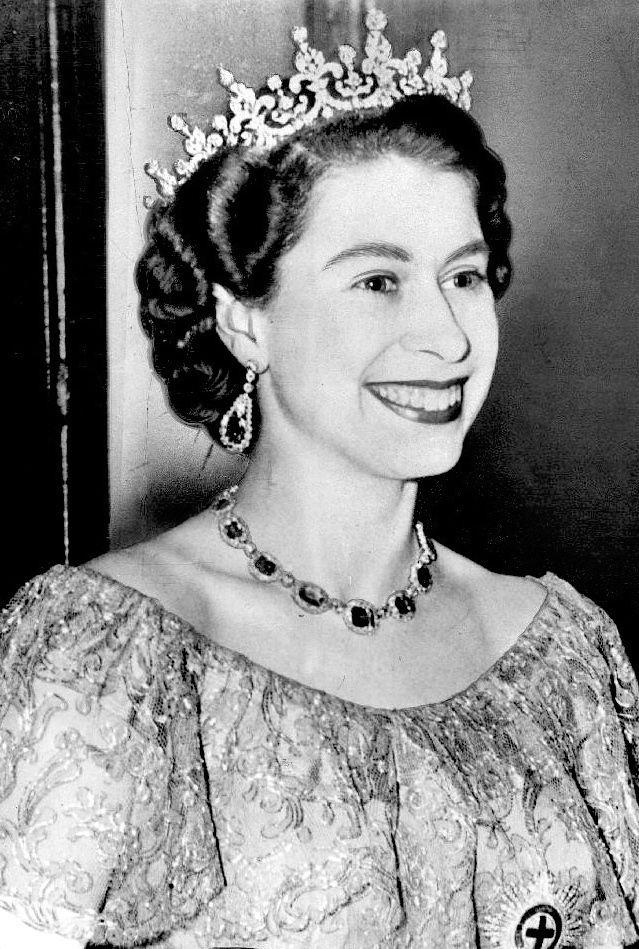
The Girls of Great Britain and Ireland Tiara is one of the clearest examples of the classic Garrard royal look. Created in 1893 as a wedding gift for Princess Mary of Teck, later Queen Mary, it has the immediate grammar of a royal tiara: diamonds, height, rhythm, symmetry and a sense of ceremony without heaviness.
It was also transformable, which was a serious practical virtue in high jewellery. Garrard's own history records that Queen Mary later returned the tiara for alterations, replacing pearls with diamonds and separating the bandeau from the base. Queen Elizabeth II later had the parts reunited. The jewel became so closely associated with her reign that it appeared in official portraits, on stamps, coins and banknotes.
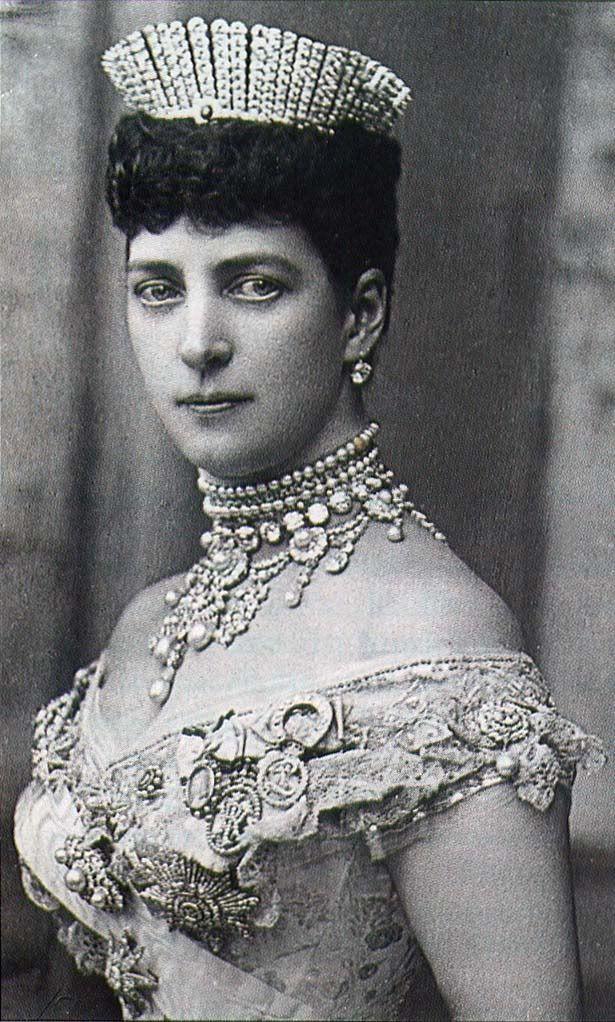
Queen Alexandra's Kokoshnik Tiara tells a different story. Made in 1888, it was inspired by the Russian kokoshnik form admired by Alexandra through her sister, Empress Maria Feodorovna. Instead of the familiar western tiara outline, it rises like a wall of diamonds.
Garrard records the jewel as a convertible diamond tiara in the Russian style, set with more than 400 matched diamonds. That versatility matters. The piece could carry royal symbolism, family connection, Russian influence and workshop engineering at the same time.
Together, the two tiaras explain why Garrard's royal style cannot be reduced to one look. The house could make the quintessential British royal tiara, but it could also translate an international court form into something that became part of the British royal image.
5. Diana's ring turned royal history into modern demand
Some royal jewels remain ceremonial. Others enter everyday taste.
Princess Diana's sapphire engagement ring is the clearest modern example in Garrard's history. The blue sapphire and diamond cluster ring was offered by the former Prince of Wales on their engagement in 1981. Today it is worn by Catherine, Princess of Wales.
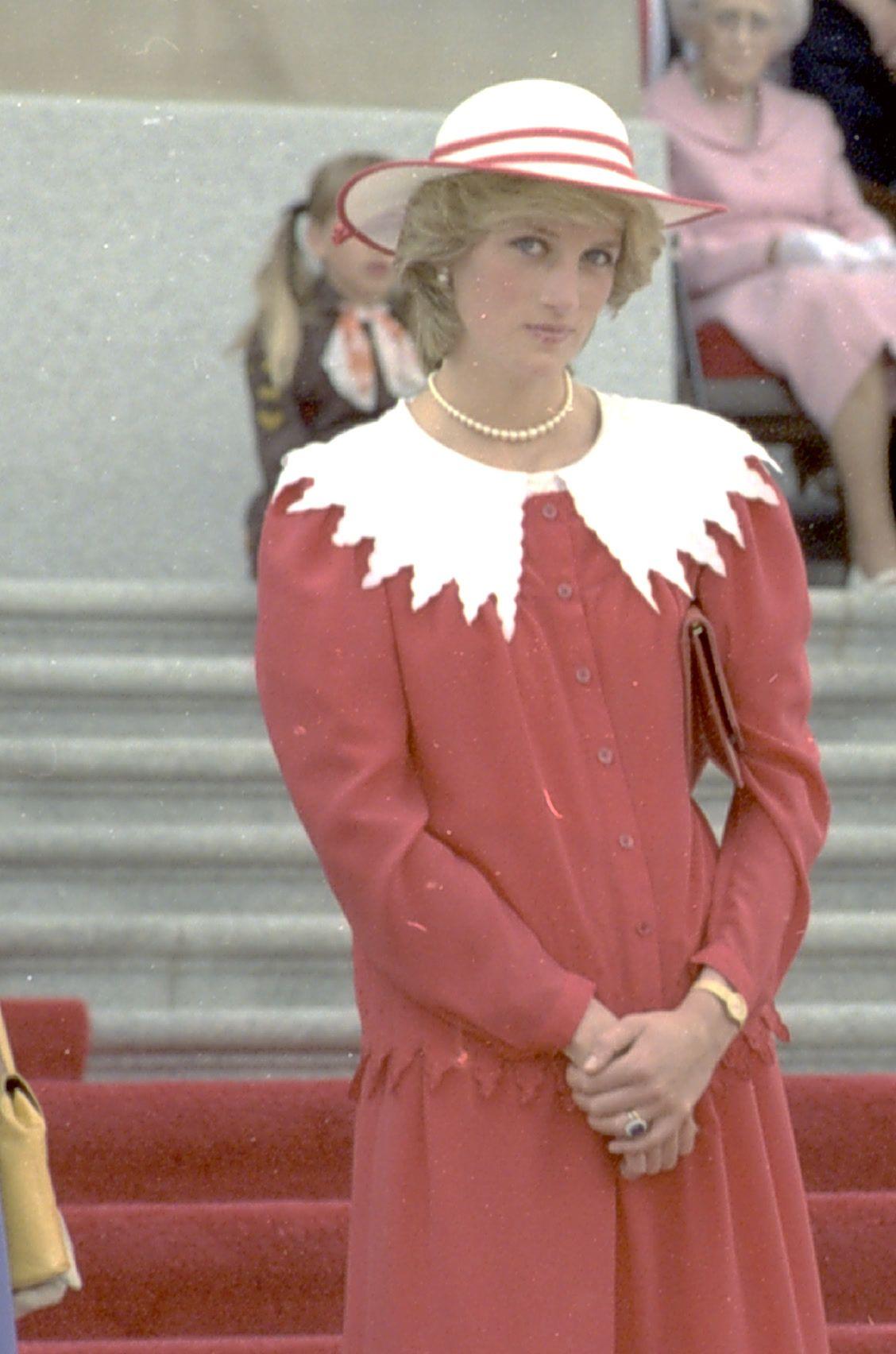
The design works because it is formal and wearable at once. A coloured centre stone gives it personality. The diamond surround gives it brightness and balance. It has enough presence for royal portraiture, but the shape still translates easily into the kind of ring people can imagine wearing themselves.
That is why its influence has lasted. Sapphire cluster rings existed before Diana chose hers, but that public association gave the style a new cultural force. A good royal jewel does not only sit in history. It changes what people notice in a shop window.
For Garrard, the ring also links the ceremonial house to a more personal kind of jewellery. The same name connected with crowns and regalia became attached to one of the most recognised engagement rings in the world.
Why Garrard still matters
Garrard's formal Crown Jeweller chapter eventually ended, but the story did not.
That is the real question for any historic jewellery house. How do you carry almost 300 years of heritage without turning the business into a museum? How do you honour the crowns, tiaras and royal ledgers while still making jewels that belong to the present?
Garrard's answer is still being written through provenance, craftsmanship, contemporary design and the continuing pull of its royal archive. The house no longer matters only because it once held an appointment. It matters because so many British royal images still lead back to its workshop.
From Queen Mary's crown to the Koh-i-Noor, from Queen Alexandra's Kokoshnik Tiara to Diana's sapphire ring, Garrard helped make royal jewellery visible, recognisable and emotionally durable.
Listen to the episode
This article is based on How Garrard Became Britain's Crown Jeweller.
Listen now →